Start with the reach path, not just the height
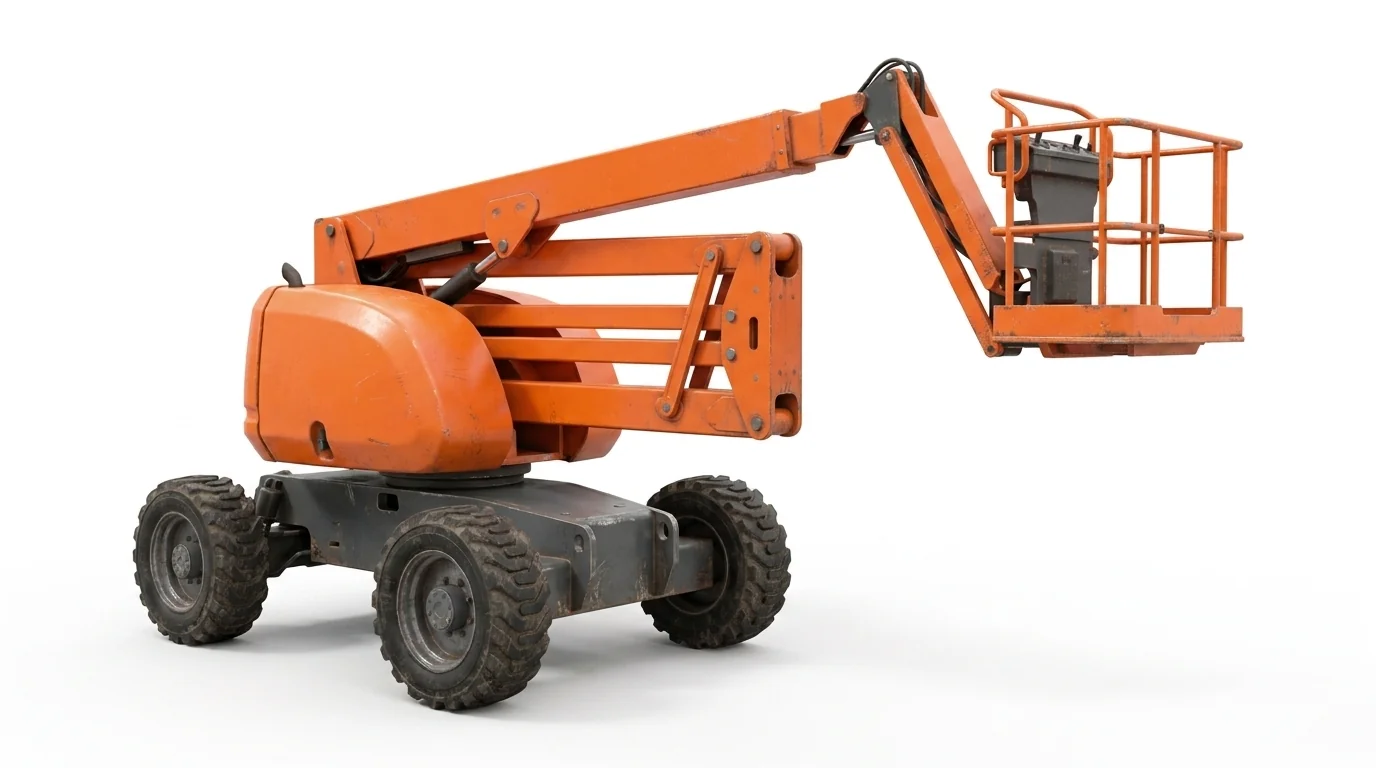
The core question is whether the machine must stand back from the work and still reach up and over. If the platform needs to clear a parapet, truss, or utility rack, an articulating boom’s knuckle joints create the necessary offset. Measure: - Horizontal setback from the machine’s tire line to the edge of the obstacle - Vertical clearance needed to get the elbow over the obstruction - Final working height at the task after clearing
Orlando conditions that change boom selection
- Mixed surfaces in one day: It’s common to stage outside on compacted sand in the morning and move onto polished exhibit floors later. Articulating booms with non-marking tires and tight tailswing profiles help protect finished interiors, while rough-terrain configurations support outdoor setup on firm, level ground.
- Afternoon thunderstorms: Rapid weather shifts can pause exterior work and push tasks indoors. Electric or hybrid articulating units minimize emissions and noise for interior punch lists when the sky turns.
- Entertainment and logistics overlap: Jobs near themed facades, catwalks, or conveyor galleries call for precise up-and-over placement rather than straight-line reach.
Envelope and chassis constraints
- Platform capacity narrows the model: heavier signage, lighting truss sections, or MEP components can push you into larger booms. Balance capacity with the need for compact stow to navigate back-of-house corridors.
- Jib and articulation range: A wider working envelope at the top of the arc helps land the platform without repositioning, especially around decorative elements.
- Tires and surface: For soft or sandy staging, look at rough-terrain tread patterns and flotation characteristics. For interior slabs, non-marking tires reduce scuff risk. Site rules and the unit’s manual determine allowable use.
Typical Orlando use cases
- Interior rigging and AV aiming above exhibit halls where machines must pass under soffits, then reach over set pieces.
- Facade maintenance at attractions with overhangs and themed projections.
- MEP work in distribution buildings where racking or conveyors block direct approach.
Related categories
- Need straight, long-distance reach across open lots? See /telescopic-boom-lift-rental/
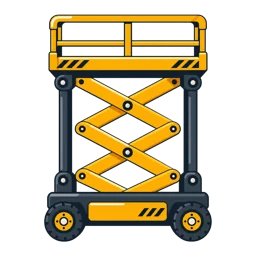
- Working entirely indoors on slab? Start with /electric-scissor-lift-rental/ or /vertical-mast-lift-rental/
- Comparing all aerial options? Visit /boom-lift-rental/ or /aerial-lift-rental/
Actual site conditions, the chosen unit’s instructions, and job procedures govern whether a boom can be used and how it is positioned.